There’s a moment that happens in almost every kitchen, almost every day: you slice open a lemon, squeeze it over a dish or a glass of water, and without even looking, your hand sweeps the seeds straight into the trash. It’s automatic. Nobody stops to think about it.
But what if I told you that small, unassuming seed — the one you’ve been throwing away your entire life — is actually a tiny, dormant tree waiting for a chance?
I didn’t believe it either, until I tried it myself.
The Seed You Never Looked At Twice
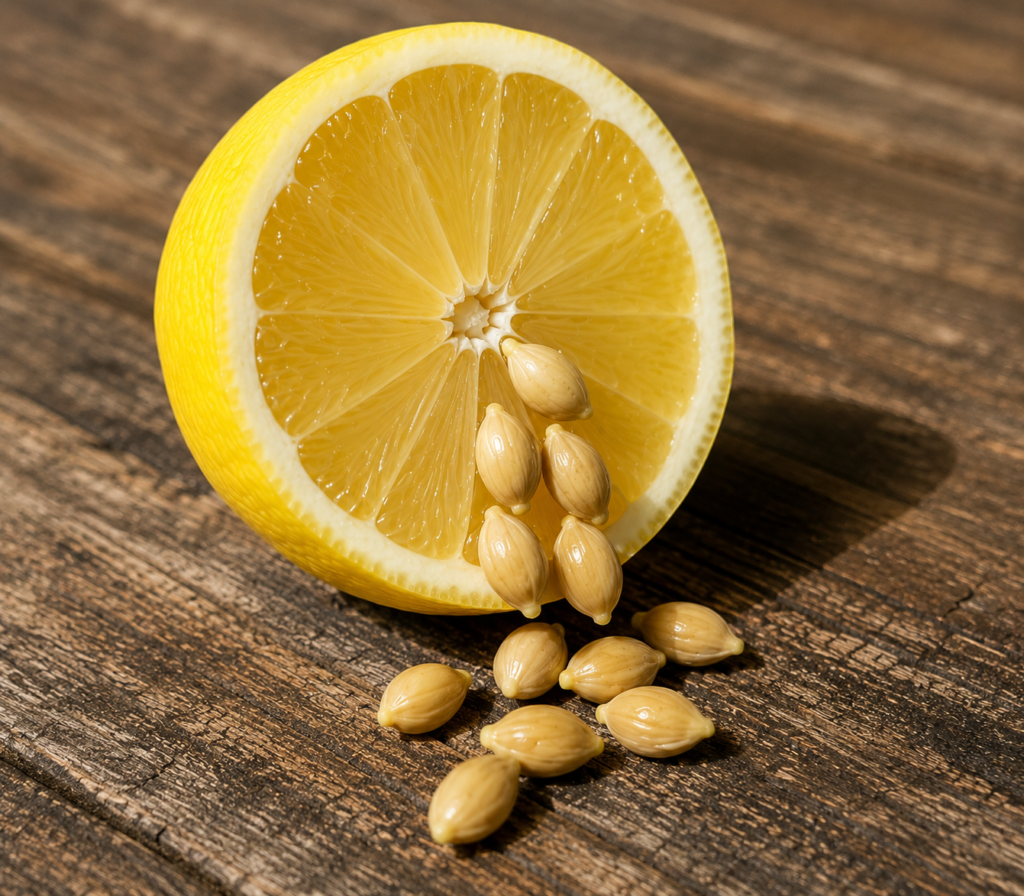
Lemon seeds look pretty unremarkable. Small, pale, slightly slippery, easy to lose in a sink full of dishwater. Most of us have handled hundreds of them over the years without a second thought. But inside that little shell is a complete genetic blueprint for a lemon tree — roots, branches, leaves, blossoms, and eventually, fruit.
The catch is that most seeds never get the chance. They go into the garbage, or worse, the disposal, before they ever have a shot at becoming anything. All it takes to change that is picking out a few good ones and giving them a completely different fate.
Not every seed is a good candidate, though. You want the plumpest, firmest ones — the ones that feel solid between your fingers, not shriveled or paper-thin. Give them a quick rinse to remove the sticky pulp clinging to the surface, since any leftover residue can invite mold later in the process. This first step takes less than a minute, but it’s the difference between a seed that sits there doing nothing and one that actually wakes up.
Waking Up a Seed That’s Been “Asleep”
Here’s where it gets a little bit magical. Once your seeds are clean, you don’t need soil yet — you need moisture and warmth. Lay them out on a damp paper towel, fold it over so they’re fully covered, and tuck the whole thing into a small container or bowl with a loose lid to hold humidity in.
Then comes the hardest part of the entire process: waiting.
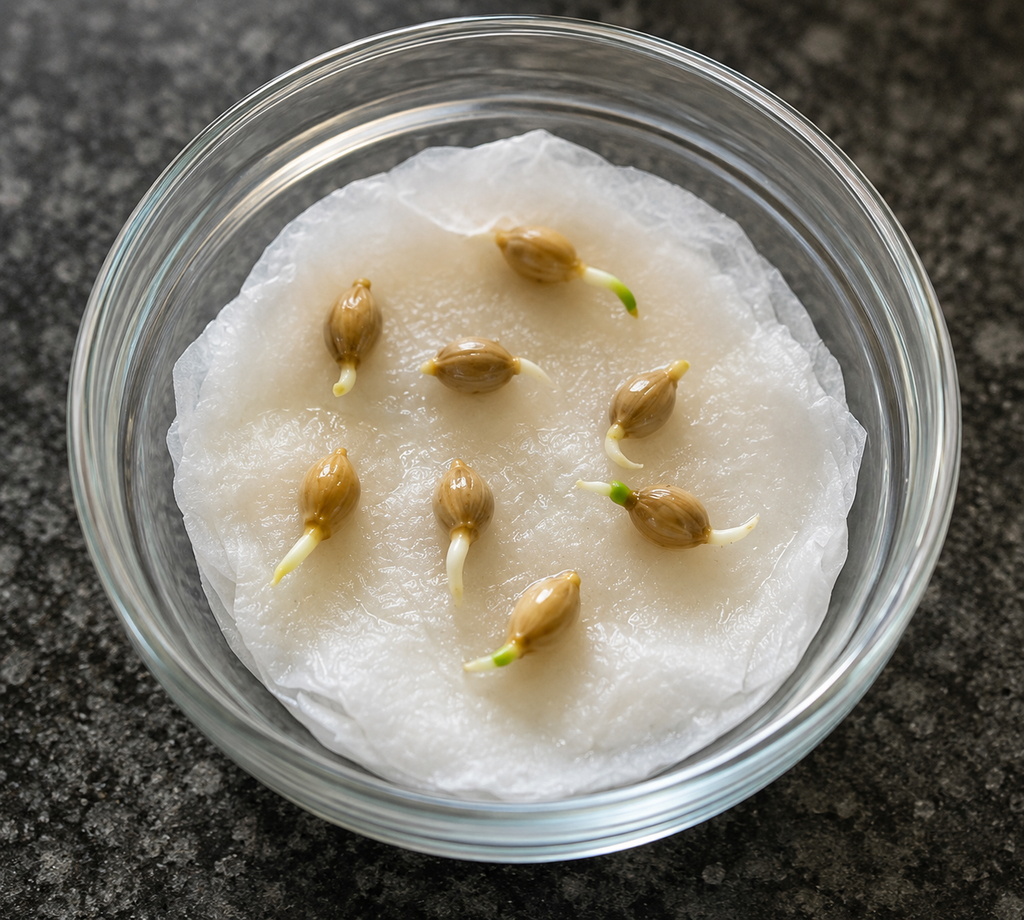
Check on them every day or two, keeping the towel damp but not soaking wet. For the first several days, nothing seems to happen, and it’s tempting to assume the seeds are duds. But somewhere between one and two weeks in, you’ll notice something that feels almost unbelievable the first time you see it — a small white root nudging its way out, followed by a pale green shoot reaching upward, even with no soil and no sunlight in sight.
It’s a strange, quiet kind of transformation. There’s no fanfare, no obvious sign it’s coming. One day the seed just looks like a seed, and the next day it’s clearly, undeniably alive.
From Fragile Sprout to Real Seedling
Once that shoot appears, the seed is ready for its next home. Gently transfer it into a small pot filled with loose, well-draining potting soil, burying it about half an inch deep with the sprout pointing up toward the light. This is a delicate stage — the little root system is fragile, and rough handling here can undo weeks of progress, so it helps to move slowly and support the seed rather than dropping it into the hole.
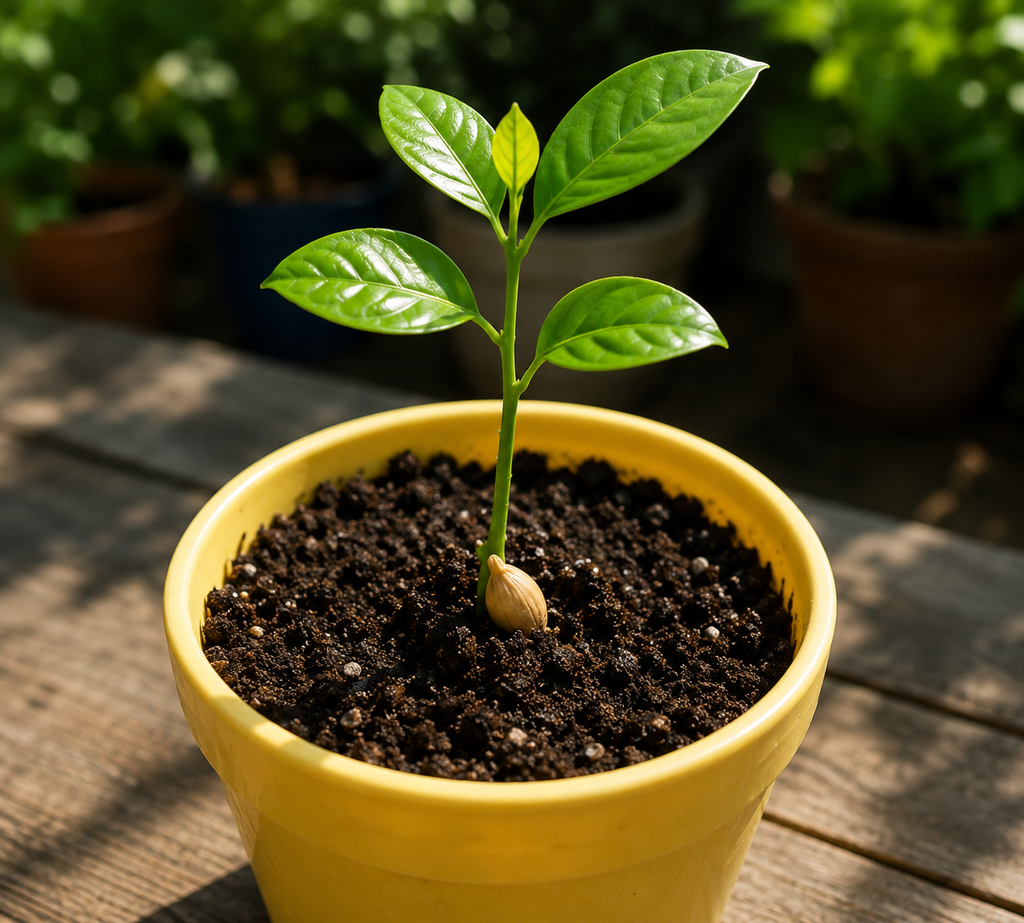
Water it lightly, just enough to keep the soil consistently moist without drowning the roots, and set the pot somewhere it will get plenty of bright, indirect light. Within a matter of weeks, you’ll start to see actual leaves unfurling — small, glossy, and undeniably citrus-shaped. This is usually the point where people stop thinking of it as “an experiment” and start thinking of it as “my plant.”
It’s a strange kind of attachment to form to something that started in a trash bin’s alternate timeline, but it happens to almost everyone who tries this.
The Tree You Grew From Nothing
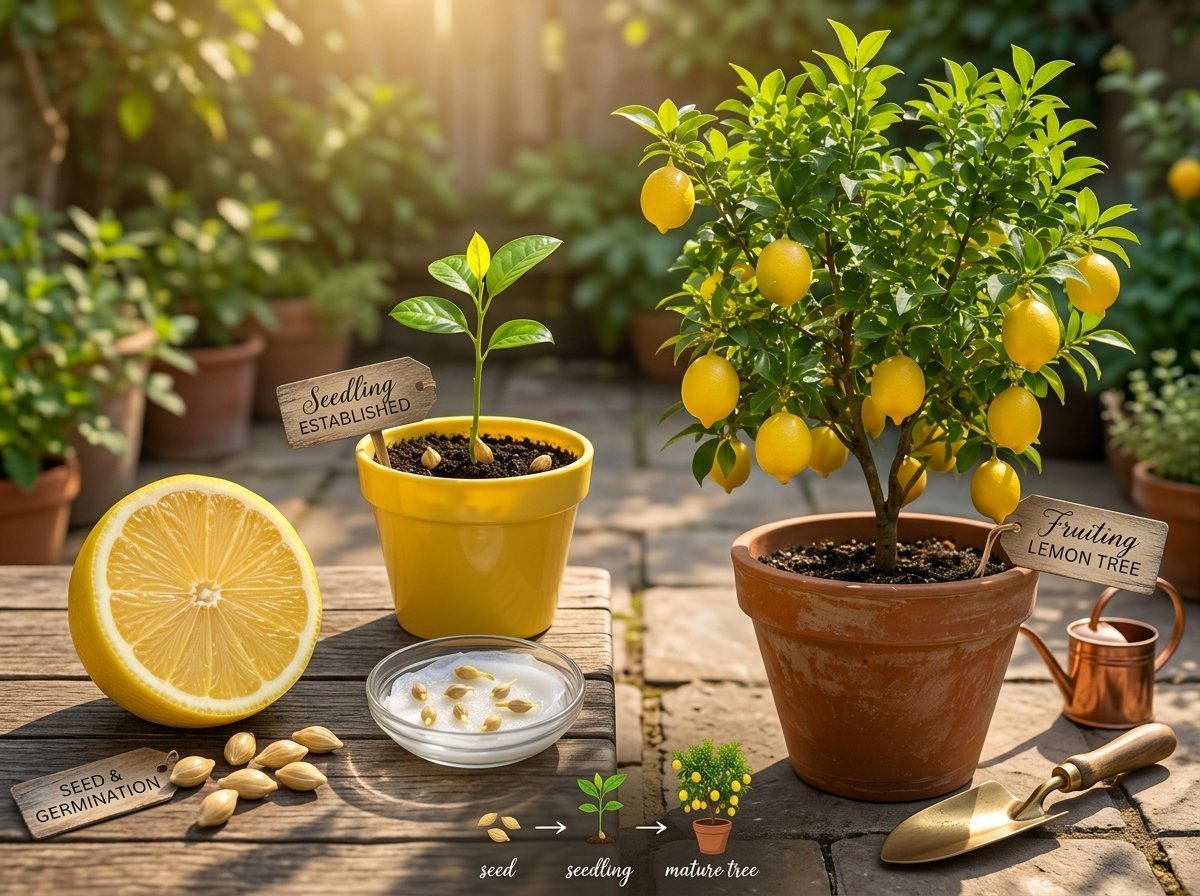
Here’s the part that takes real patience: a lemon tree grown from seed needs consistent care for years before it’s mature enough to produce fruit of its own. It wants steady watering, plenty of sunlight, protection from harsh cold, and the occasional feeding to keep it thriving as it grows from a fragile seedling into a small, sturdy tree.
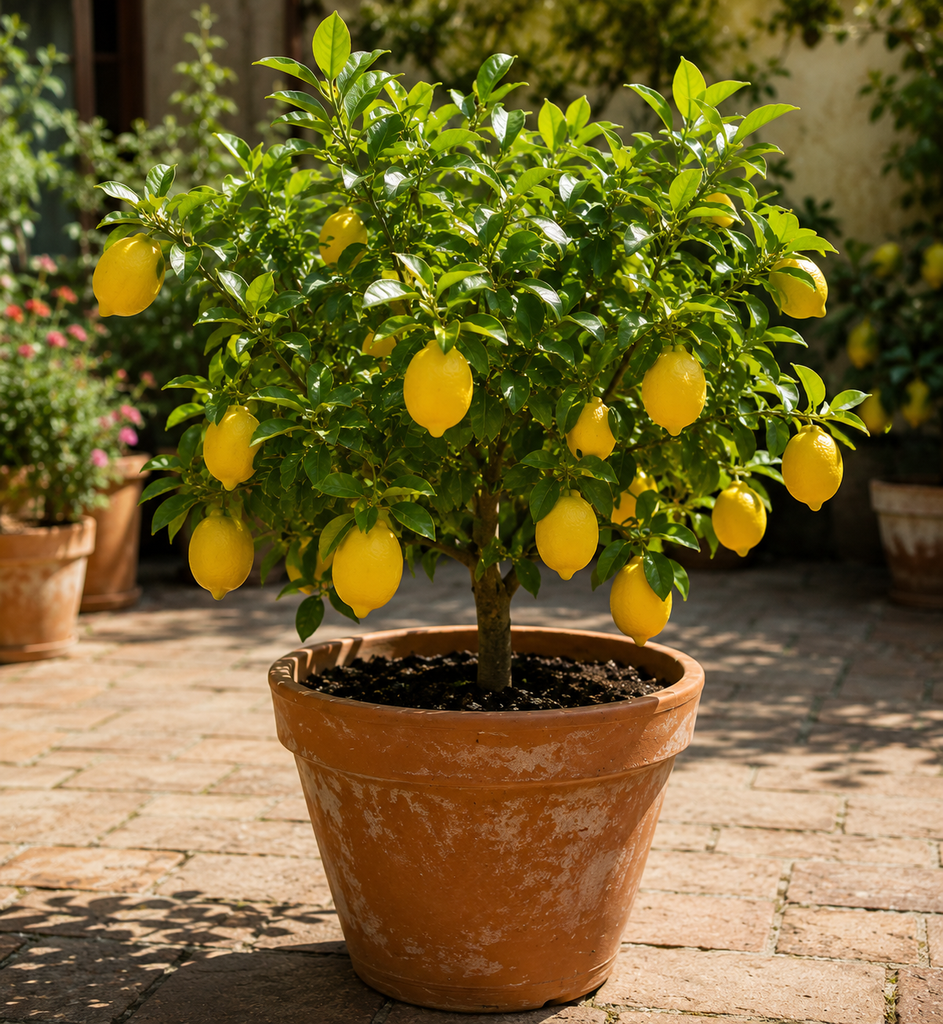
But somewhere down the line — often a few years later — that same tree that started as a seed you almost threw away will be covered in fragrant white blossoms, and eventually, actual lemons. Not lemons you bought. Lemons you grew, from something everyone else considers garbage.
There’s something quietly satisfying about that. In a world where so much is disposable, it turns out one of the most “disposable” things in your kitchen was never trash at all — it was just waiting for someone to notice.
So next time you slice a lemon, take one extra second before those seeds hit the sink. You might be holding the beginning of your next favorite houseplant — or, if you’re patient enough, your very own lemon tree.